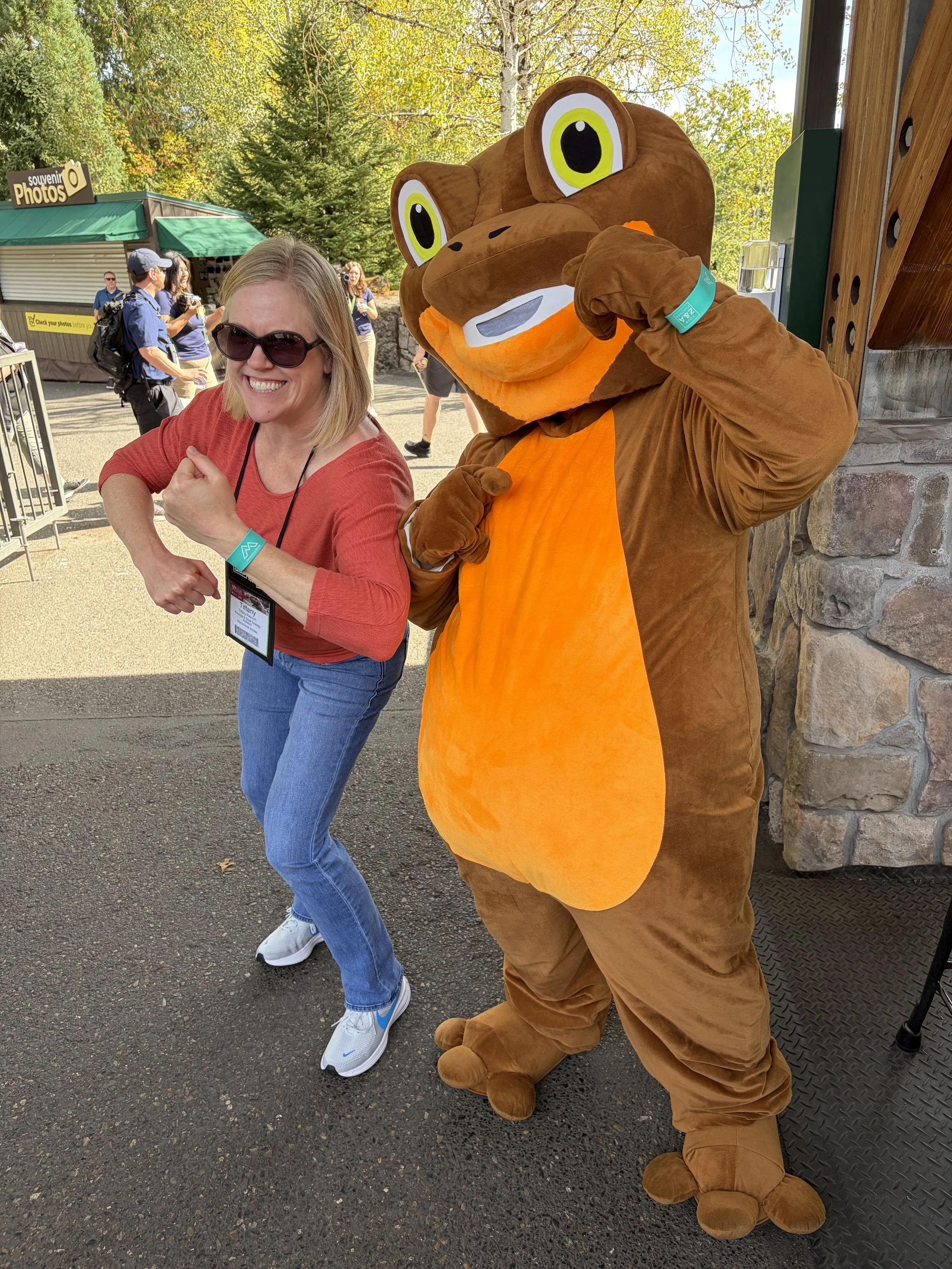
One of our favorite things about conference season is hearing what's on the minds of industry leaders. Between educational sessions and some incredible conversations at this year's AZA and ZAA conferences, we noticed several recurring themes, regardless of an organization's size or resources.
As we look ahead to 2027, here are four takeaways worth keeping in mind as you develop, refine, and execute your plans.
1. Data Is Valuable. Context Makes It Actionable.
From earned revenue benchmarking at AZA to guest-centric technology at ZAA, there's tremendous opportunity to make better use of data.
For some organizations, that means identifying what to measure and establishing simple, manageable ways to track it. For others, it means digging deeper into historical trends, industry benchmarks, and the why behind the numbers.
Wherever you're starting from, use your data to ask better questions. For example, what experiences resonate most with your guests? What are they purchasing? Where are there opportunities to strengthen their experience while growing per capita spending? A capybara cookie and plush to go with that capybara encounter, anyone?
But guest behavior and financial performance are only part of the bigger picture. If organizational culture, employee engagement, or community impact are priorities, are you measuring those too?
The takeaway: Measure what matters, understand what's driving the results, and use those insights to make better decisions. Whether you're tracking the success of a single campaign or benchmarking your organization's overall performance, it's all about knowing what's moving the needle.
2. When Everything Is a Priority, Something Has to Give.
Yep, that's not just the title of our latest blog post. It's something we heard time and time again at both conferences.
New exhibits. Conservation initiatives. Guest experiences. Technology upgrades. Improvements for accreditation. The list of worthwhile projects never seems to get shorter, but they all compete for the same limited time, money, and people.
The takeaway: As you establish your 2027 priorities, consider everything you're asking your organization to accomplish. Connect your plans, prioritize intentionally, and allocate resources realistically. And remember, sometimes the best strategic decision is choosing what not to do right now.
3. Every Strategy Needs a Champion.
One of our favorite sessions at AZA was Canopy's Every Strategy Needs a Champion, which reinforced the importance of having someone responsible for driving each strategy forward.
But the strategic plan itself also needs a champion—someone who keeps an eye on the bigger picture and keeps the momentum going.
And every champion should have an accountability partner!
The takeaway: Establish clear ownership, regular check-ins, and accountability partnerships. Make strategy part of your organization's regular operating rhythm, and don't forget to measure, communicate, and celebrate progress along the way.
4. Stay Focused on the Vision, but Flexible in Your Approach.
If there's one thing we can always count on, it's that not everything will go according to plan.
A new event is wildly more successful than anticipated, but food and beverage, security, and other guest services can't keep up. A donor comes forward with significant funding for a project that isn't in your five-year plan. An extreme weather event disrupts operations and impacts attendance and revenue.
A good strategic plan helps you navigate unexpected challenges and distinguish between opportunities worth pursuing and squirrels that distract you from the great work already underway.
The takeaway: Stay committed to your vision but be flexible in your approach. Plan for potential setbacks, evaluate new opportunities against your bigger goals, and recognize meaningful progress even when the path looks different from what you originally envisioned.
Looking Ahead to 2027
Regardless of where you are in your planning cycle, the start of a new calendar year is a great time to ask yourself:
Are we measuring what matters with meaningful targets that support our goals?
Are our priorities realistic given our available resources?
Have we established clear ownership and accountability for each strategy and for the overall plan?
Is our vision clear enough to guide our decisions when unexpected challenges and opportunities arise?
Here's to informed decisions, intentional actions, and meaningful strides in 2027!